
The landscape of Northern New Jersey is undergoing a subtle but profound transformation. For years, a drive through the residential streets of Paramus, Ridgewood, or Fair Lawn felt like a journey through a monochrome gallery. The scenery was dominated by two primary themes: the high-contrast look of stark white siding paired with black trim and the ubiquitous cool gray often referred to as flipping gray. While these palettes offered a clean aesthetic, the design tide has officially turned. As we move through 2026, homeowners are trading sterile, industrial tones for a look that is warm, layered, and restorative.
The current remodeling season is defined by the new neutral. This is not the safe or repetitive neutral of the past. Instead, it is a sophisticated collection of nature-inspired hues and varied textures that emphasize natural materials and a sense of history. At Classic Remodeling, we are seeing a significant shift in what Bergen County homeowners are requesting. They want their homes to stand out without feeling staged. They are prioritizing organic elements and sustainable material choices that create a permanent sanctuary rather than a fleeting trend.
The Departure from Flipping Gray
The reign of cool, blue-based grays lasted for nearly a decade. It was the go-to choice for quick renovations and new builds because it was perceived as universally appealing. However, in the light of the Northern New Jersey sun, these cool tones can often appear flat or even icy during the long winter months. Homeowners have begun to realize that while gray is functional, it often lacks the warmth and soul that an authentic family home deserves.
The move away from these shades is part of a broader cultural shift toward what designers call biophilic design. This philosophy seeks to connect our living spaces more closely with the natural world through honest materials like real stone, wood textures, and handcrafted finishes. This explains the surge in popularity for colors that mirror the forest, the earth, and the stone found in the local Highlands. The goal is no longer to make a house look like a pristine, manufactured box. The objective is to make it look like it belongs in its environment, aging gracefully over time.
Embracing the Smoky Jade: The Rise of Hidden Gem
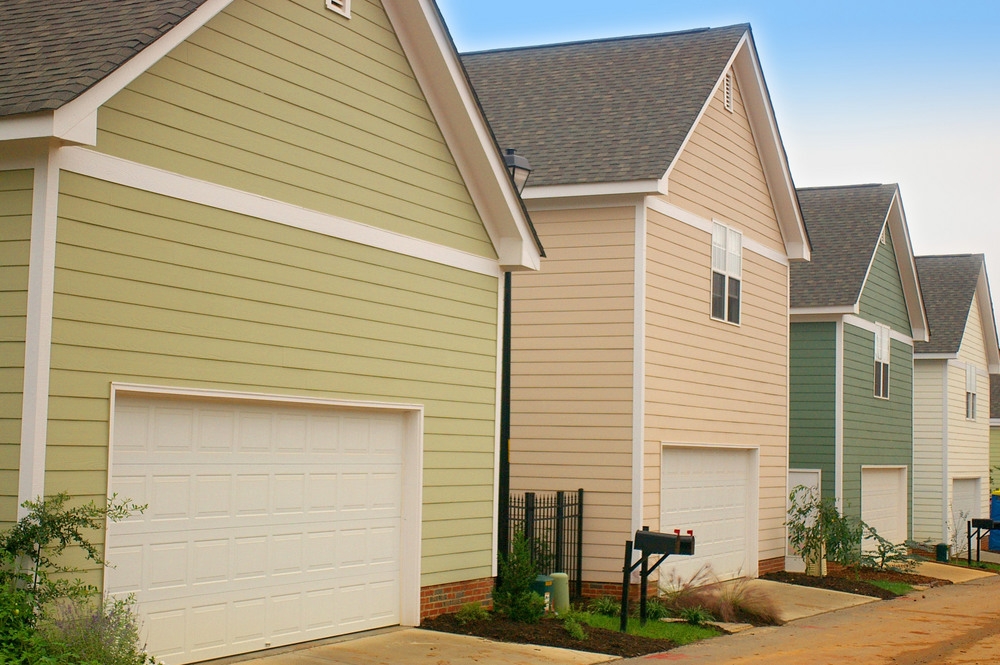
If there is one color that defines the current aesthetic, it is Smoky Jade. This specific shade, often referred to in design circles as Hidden Gem, represents a perfect balance between blue and green with a gray undertone that keeps it sophisticated. It is a chameleon-like color that shifts beautifully depending on the time of day. In the morning light, it feels fresh and botanical. As the sun sets over the Passaic River, it deepens into a moody, luxurious tone that adds incredible depth to a home facade.
Smoky Jade can be the ideal upgrade for someone who is tired of the standard palette but wants a nature-inspired hue that feels curated. It works exceptionally well on the varied architectural styles found in our region. Whether you own a traditional Colonial or a Mid-Century Split-level, a Smoky Jade exterior provides a sense of quiet confidence. It pairs magnificently with natural wood accents, such as a mahogany or oak finished entry door from the Therma-Tru line. It also creates a stunning contrast against black or bronze window frames, which remain a popular choice for their modern profile.
The Warmth of Earthy Taupes and Clays
While jade is a standout star, the foundation of the modern neutral palette is built on earthy taupes, sands, and warm clays. These are the successors to the beige shades of the early 2000s, but they have been refined with modern pigments. Unlike the yellow-heavy beiges of the past, today’s taupes have a touch of mushroom or sand in them. They feel expensive and architectural, aligning with the current preference for warm neutrals over stark, cold whites.
In towns like Hackensack and Teaneck, where many homes sit on mature, tree-lined lots, these warm neutrals harmonize with the surrounding foliage. A warm taupe exterior does not fight with the green of summer or the vibrant orange of autumn. It acts as a complementary backdrop that supports a restorative environment. When Classic Remodeling installs fiber cement siding in these tones, the result is a home that looks timeless from the day the scaffolding comes down. These colors also have a practical benefit: they are much more forgiving when it comes to showing the dust and pollen that often accumulate on New Jersey homes during the spring.
Adding Dimension with Mixed Textures
In the current market, the color of your home is only half of the story. The real magic happens when you mix materials to create visual interest. The trend of using a single siding style for the entire house is being replaced by a more intentional, layered approach. This is where we see the most significant transformation in curb appeal.
The most popular combination we are currently seeing involves the strategic use of vertical siding and stone veneer. By using vertical board-and-batten siding on gables or as an accent on a specific section of the home, you create a sense of height and modern elegance. This vertical movement breaks up the traditional horizontal lines of lap siding, making even a modest home feel more grand.
Adding stone veneer to the foundation, the entryway, or around a chimney takes this a step further. In Northern New Jersey, where we have a rich history of stone masonry, this look feels authentic and rooted in local tradition. Using a natural-looking ledgestone or a fieldstone in shades of gray and tan anchors the house. It provides a tactile, heavy element that balances the lightness of the siding. This combination of the smooth lines of vertical siding and the rugged texture of stone is the hallmark of high-end remodeling. It creates a modern vintage feel that blends contemporary lines with cozy, earthy elements.
Modernizing the Jersey Colonial with Purpose
Many of our clients across the region own classic Colonials that have stayed the same for decades. These homes are well-built and iconic, but they often feel a bit dated with their white siding and navy shutters. The palette we are seeing today offers a way to modernize these homes without losing their historic charm.
Instead of the traditional white, homeowners are opting for soft, creamy whites or muted ivories for the main body of the house. We then replace old shutters with more substantial trim in darker tones like charcoal or deep forest green. When you combine this with a new roof featuring architectural shingles and a bold front door, your home is instantly transformed. It retains its stately silhouette but feels entirely fresh and relevant. Many homeowners are also extending this transformation to outdoor living areas, adding sophisticated kitchens and fire pits that turn the backyard into a year-round sanctuary for relaxation.
The Technical Side: Durability and ROI
At Classic Remodeling, we know that a beautiful home is only valuable if it lasts. This is why we prioritize materials like James Hardie fiber cement and high-gauge vinyl. The Northern New Jersey climate is notoriously hard on home exteriors. Between the humid summers and the freezing winters that cause constant expansion and contraction, your siding needs to be as tough as it is beautiful.
Fiber cement is the gold standard for achieving an updated look because it takes paint beautifully and offers the realistic texture of wood without the maintenance issues of rotting or peeling. When you choose a color like Iron Gray or a custom jade, the specialized finish technology ensures that the shade remains vibrant for years to come. This durability is a key driver of return on investment. A home with a modern, well-maintained exterior that emphasizes longevity is one of the highest-yielding improvements you can make. When you combine the latest color trends with professional-grade installation, you are not just spending money on a renovation: you are building equity.
Creating Your Restorative Vision
Choosing a new exterior for your home is a major decision, and it can feel overwhelming to navigate the hundreds of color and material combinations available. The prevailing sentiment in remodeling today is creating a home that feels authentic and comfortable, with a personality that reflects your lifestyle rather than fleeting mass-produced trends.
The shift toward smoky jades, earthy taupes, and mixed textures is more than just a passing fad. It is a return to quality, character, and a more thoughtful way of living. By moving away from the coldness of the flipping gray era, you have the opportunity to make your home a true reflection of your style and the natural beauty of the Garden State.
Classic Remodeling is here to help you navigate this transition with expert craftsmanship and local knowledge. We have spent years protecting and beautifying homes across Bergen and Passaic counties, and we are ready to bring your vision to life. Whether you are looking for a complete siding overhaul or a strategic update to your windows and doors, our team is dedicated to providing a seamless experience from the first consultation to the final walkthrough.
Ready to Transform Your Home Into A Sanctuary?
If you are ready to move past the monochrome look of the last decade and embrace a warmer, more organic aesthetic, Classic Remodeling is your dedicated partner. We specialize in bringing high-end design and weather-resistant durability to every project we touch. Let us show you how the new neutral palette and mixed-material approach can enhance your home's value and create the retreat you have always dreamed of.
Would you like us to create a digital rendering of these 2026 color trends on your home? Contact Classic Remodeling today to schedule your free, no-pressure exterior design consultation and take the first step toward your home’s total transformation.
Disclaimer: We share these blogs for educational purposes to help you make informed design choices. Please keep in mind that property value changes, energy savings, and eligibility for specific tax credits can vary based on your home’s condition and current program requirements. We always recommend consulting with a tax professional or local building official to confirm the latest regulations and incentives for your specific project.